
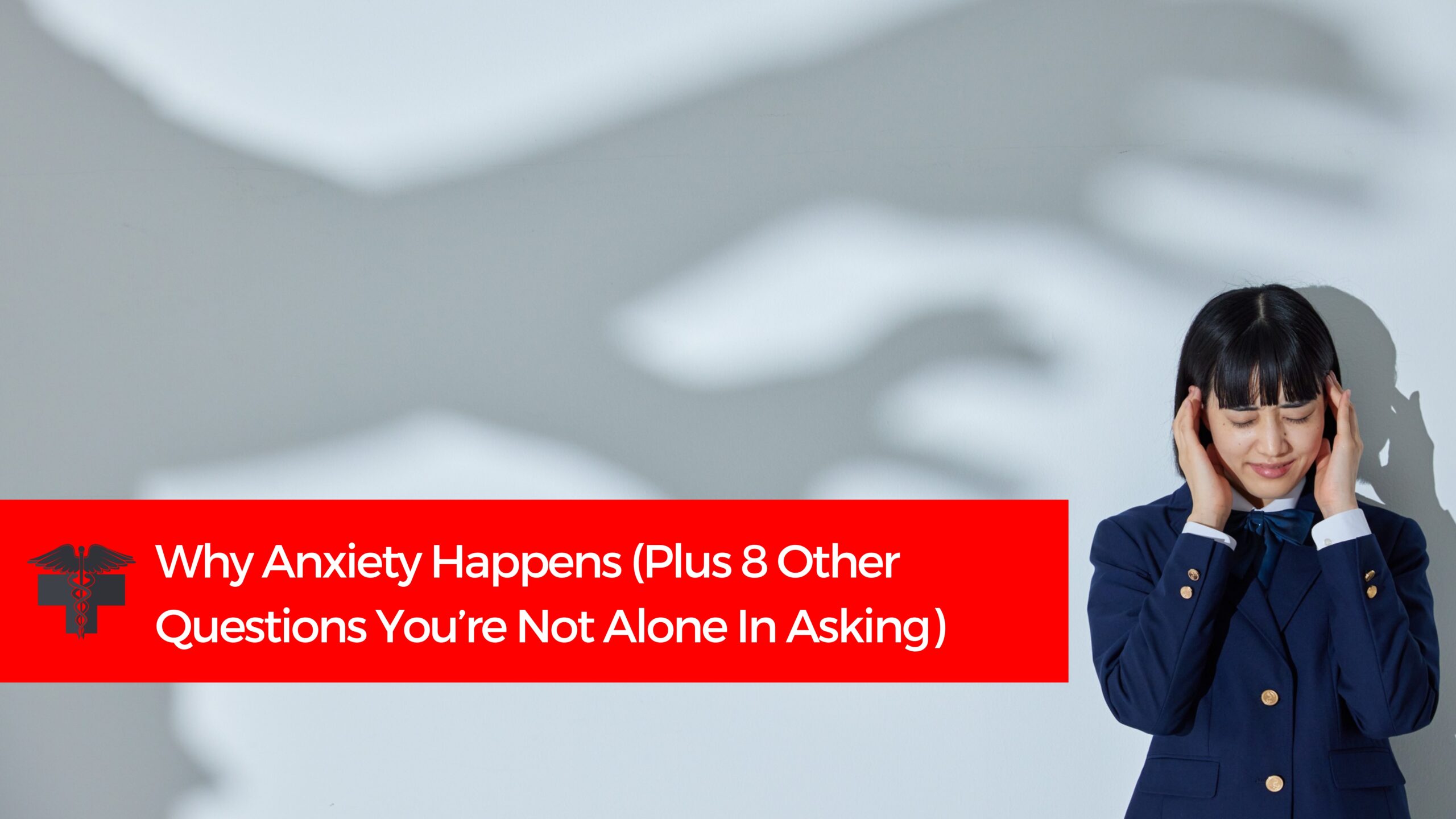
If you’ve ever felt your heart race, chest tighten, or a sudden wave of worry hit you for “no reason,” you’re not imagining things and you’re not broken.
Anxiety often feels random, but most of the time, it isn’t.
Below are the 9 most common questions people ask about anxiety:
1. Why does anxiety feel like it comes out of nowhere?
Anxiety is your nervous system’s response to a perceived threat not always a logical one.
Your brain is constantly scanning for danger. When it’s overwhelmed, under-fueled, or overstimulated, it can flip into protect mode before your conscious mind catches up.
That’s why anxiety can feel sudden or confusing.
2. Is anxiety caused by stress even if I don’t feel stressed?
Yes. Chronic stress builds quietly.
Even if you’re “handling things,” your nervous system may still be carrying the load. Long-term stress can keep your body stuck in a heightened state, making anxiety more likely to show up unexpectedly.
3. Can lack of sleep trigger anxiety?
Absolutely. Sleep is one of the biggest regulators of emotional balance.
When you’re sleep-deprived, your brain becomes more reactive and less able to filter out false alarms. Even one or two bad nights can increase anxiety symptoms.
4. What does blood sugar have to do with anxiety?
More than most people realize.
Blood sugar drops can cause symptoms that mimic anxiety, including:
- Racing heart
- Shakiness
- Sweating
- Irritability
- Sudden fear or panic
Skipping meals or relying heavily on sugar and caffeine can make anxiety feel worse.
5. Do hormones affect anxiety?
Very much so.
Hormonal changes during menstrual cycles, pregnancy, postpartum periods, and perimenopause can significantly impact anxiety levels. Estrogen and progesterone influence brain chemicals that regulate mood and calmness.
6. Can illness or inflammation trigger anxiety?
Yes. When your body is fighting illness or inflammation, your nervous system becomes more sensitive.
Even mild sickness, chronic inflammation, or recovery periods can increase anxiety symptoms without obvious emotional triggers.
7. Is anxiety a sign of weakness?
Not at all.
That racing heart or tight chest isn’t failure. It’s your body trying to protect you. Anxiety is a biological response, not a character flaw.
8. What actually helps reduce anxiety over time?
Supporting your nervous system consistently makes a real difference:
- Regular sleep
- Balanced meals with protein
- Gentle movement
- Reduced caffeine
- Time to decompress
- Learning how to calm your body, not just your thoughts
Small changes, done regularly, can make anxiety episodes less frequent and easier to manage.
9. When should I seek support for anxiety?
If anxiety is showing up more often, lasting longer, or interfering with daily life, support can help.
You’re not failing. You’re not alone. And asking for help is a strong, healthy step when you’re ready.
The Bottom Line
Anxiety rarely comes out of nowhere. It’s your nervous system responding to overload, not a personal failure. When you understand what your body is asking for and start supporting it consistently, anxiety becomes less confusing, less intense, and more manageable. That support might look like talking with a trusted friend, working with a therapist, or reaching out to your doctor.


 and then